
Your pocketbook may be lighter, but your heart and soul are richer

For those of you fortunate to have enough extra to roam about the planet, you know that travel has a way of changing a person. Even if your vacation is all about margaritas under a tiki hut, there are still differences in culture and people that open your eyes to new ways of doing things.
What else does checking out the world do to us and for us?
First off, it’s in our blood…
Eric Weiner is obviously big on the benefits of experiencing the world. In his National Geographic article entitled Why travel should be considered an essential human activity, he claims tourism goes deep down into the makeup of our genes. I believe it.
“For most of the time our species has existed, ‘we’ve lived as nomadic hunter-gatherers moving about in small bands of 150 or fewer people….Moving to a neighboring band is always an option to avoid brewing conflict or just for a change in social scenery.’”
So maybe I can justify my upcoming flight to Columbia with a ‘heck yeah, I’m obligated to do this. It’s in my blood after all…”
Blind date with fate
Weiner explains that global treks involve a “leap of faith”.
As you’re buckling into row 8a, you honestly have no idea what could happen on your getaway. Even if it’s an all-inclusive you’ve been to 7 times and originally booked because it came with five-star recommendations from your pickiest aunt who only frequents the same resorts as Beyoncé. You still have zero clues as to what exactly could or would or will happen on your holiday.
“Travel is one of the few activities we engage in not knowing the outcome and reveling in that uncertainty. Nothing is more forgettable than the trip that goes exactly as planned.” Eric Weiner
Encouraging the Growth Mindset
For those of you who are scratching your head and wondering, Growth Mindset is a popular buzzword in educational circles. Basically, it means challenges = opportunity. Uncomfortable situations allow us to puzzle and persist, and ultimately expand. We cannot become bigger and better humans without adversity.
When surprises arise during travel – as they will – your brain has to complete a quick calisthenics routine and then adjust.
“Our greatest obstacles present the most opportunity.” Chad E. Foster, the first blind executive to graduate from Harvard Business School
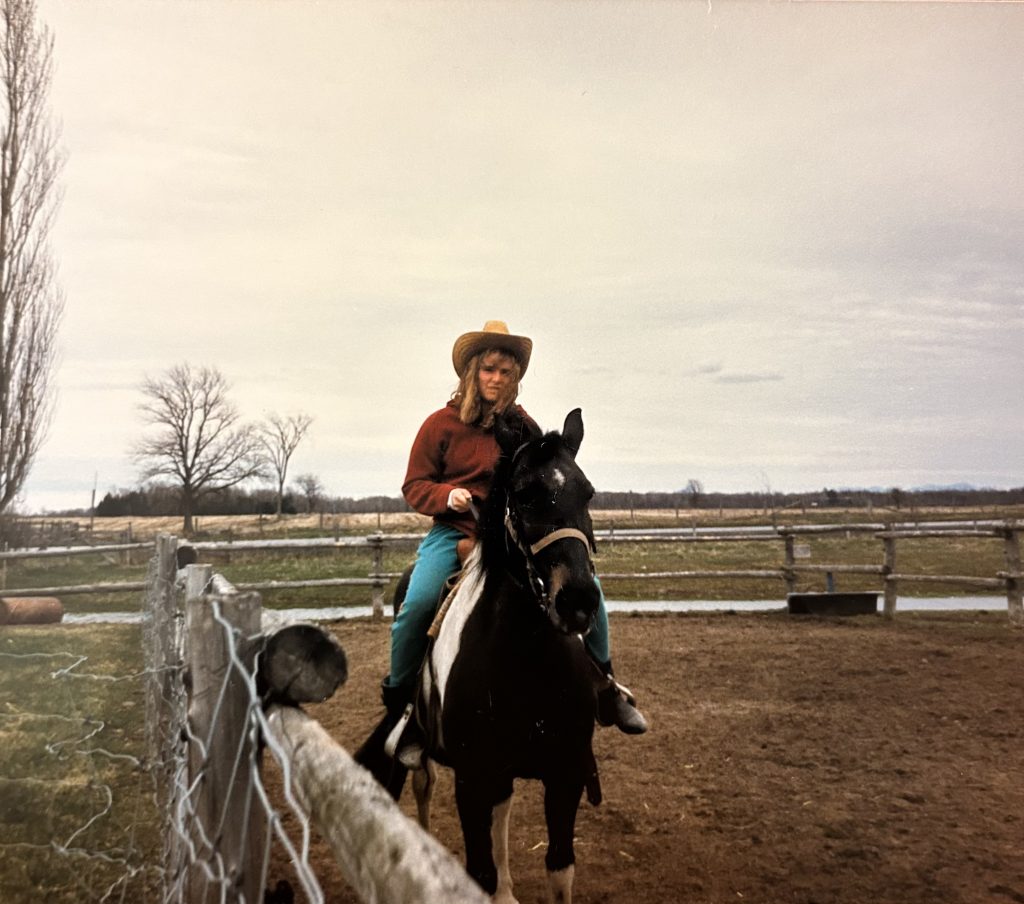
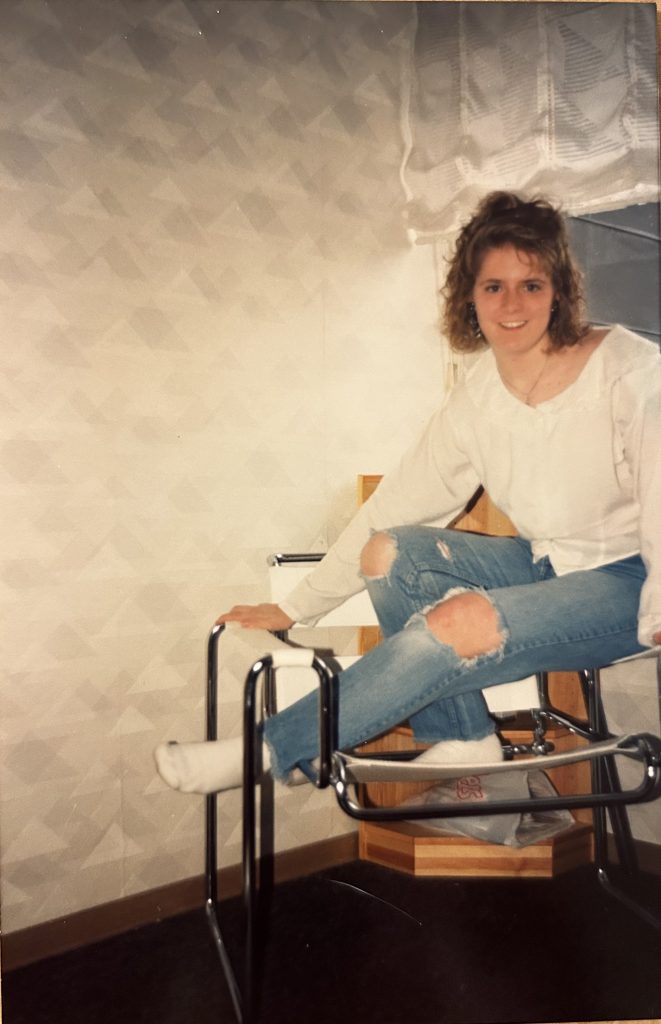
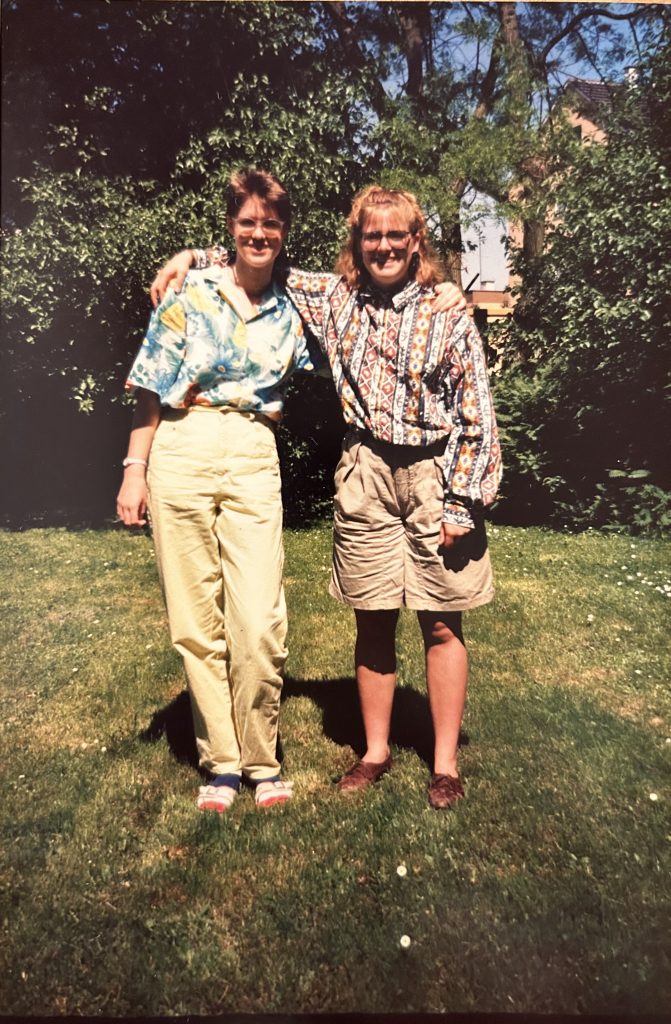
In grade twelve, I was accepted to a 3-month exchange to Ludwigsburg, Germany. I’d lived with a Quebecois family for three months a couple of years before that, and I assumed in only the way young and naïve teens can, that it couldn’t be much harder than that. I was in for a surprise. Landing in a country where the only phrase I could utter was “auf Wiedersehen”, was, well, a bit of a shocker.
The school director let me bump badminton birdies and snooze my way through English courses with kids my own age, but otherwise, most of my classes were with 7-year-olds. Adorable lil munchkins – but not friend material. My host family traipsed off to Spain most weekends, and I was left alone a lot.
Isolation breeds creativity.
- I learned how to take buses and trains and get to places like the American Stuttgart army base. Somehow, I weaseled my way in, and when I needed a fix of my mother tongue, I’d go chat with US army brats and buy the M&Ms that I couldn’t find elsewhere.
- I befriended a classmate, Kerstin, whose family muddled through “conversation” while we explored Birkenkopf. Also known as Rubble Hill, this 511m tall knoll was created from the debris of bombed buildings.
- I sat on street corners and taught myself to read German store and street signs.
- When my exchange partner and her boyfriend took me to a trailer on the Swiss border for an overnight – and they left to do whatever they left to do – I dreamed of being ensconced in goose down (it was cold and I only had a spring jacket), counted contrails framed by mountains, and found six stale crackers, a pack of Marlboros (also ancient and crumbly), and a lighter in the cupboards. I soon discovered that tallying air traffic is soothing – and that nicotine is not.
Sure, I’d dreamed of a different exchange experience. But that bit of “me time” inspired remarkable independence, which in turn boosted my confidence.
A Fresh Pair of Eyes
“One’s destination is never a place, but a new way of seeing things.” Henry Miller
We are used to what we are used to. We know what we know. Wandering the world forces you to think about things in different ways – and to realize that you and your culture don’t always do things the best way that they can be done.
In Canada, we think our sit-on porcelain toilets are DaBomb.com. But I will continue to argue that part of the reason Chinese seniors are so adept is that they have to squat to use in-the-floor “basins” that serve as latrines. It’s debatable as to whether North American pee vessels are superior. But without having been to various places on this spinning sphere, I wouldn’t know that not everyone puts bare bums on cold circles.
Without my worldly adventures, I wouldn’t have a clue that other people around the world don’t eat pizza with their hands or that they drive on the other side of the road. That in some places, it’s acceptable to hork a loogie anywhere at any time or to defecate on street corners. I’d have never learned that our expectation of work-work-work until you die-die-die isn’t the norm.
Seeing the world means appreciating that your home country does some things in ways you feel are better or beneficial – and also learning that it sadly falls short on others.
“Travel has a way of stretching the mind… with experiencing firsthand how others do differently what we believe to be the right and only way.” Ralph Crawshaw
Travel changes you. It alters how you think about processes and traditions and habits and humanity. It surprises. And shocks. And ultimately leaves you exquisitely wonder-filled.
How has travel changed you?